Understanding Woodworking Machinery Installation
Proper installation of woodworking machinery is essential for ensuring long-term performance, accuracy, and safety in any workshop. Whether you're setting up a small cabinet-making facility or a large-scale furniture manufacturing plant, installing machinery like panel saws, edgebanders, and nesting CNC machines requires planning, precision, and the support of experienced technicians.
Panel Saws Installation and Setup
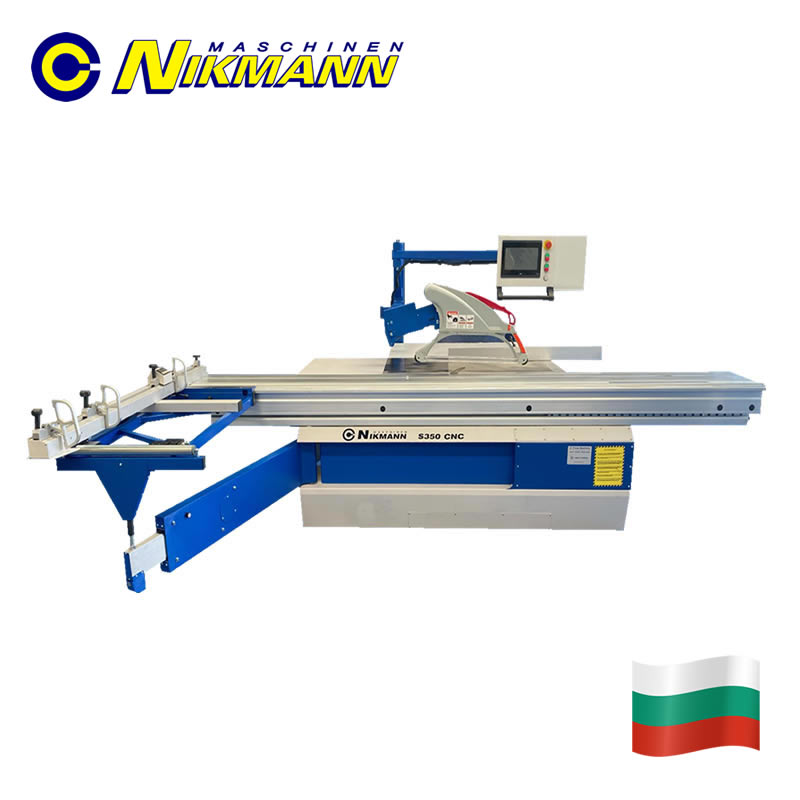
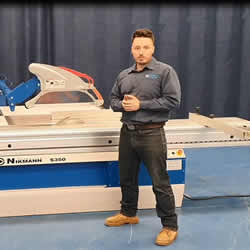
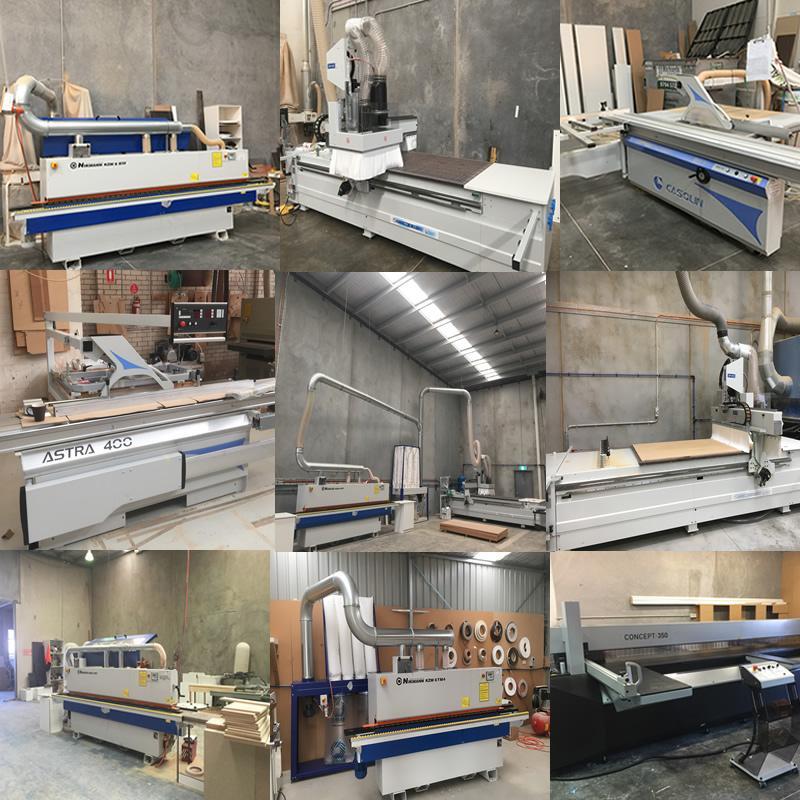
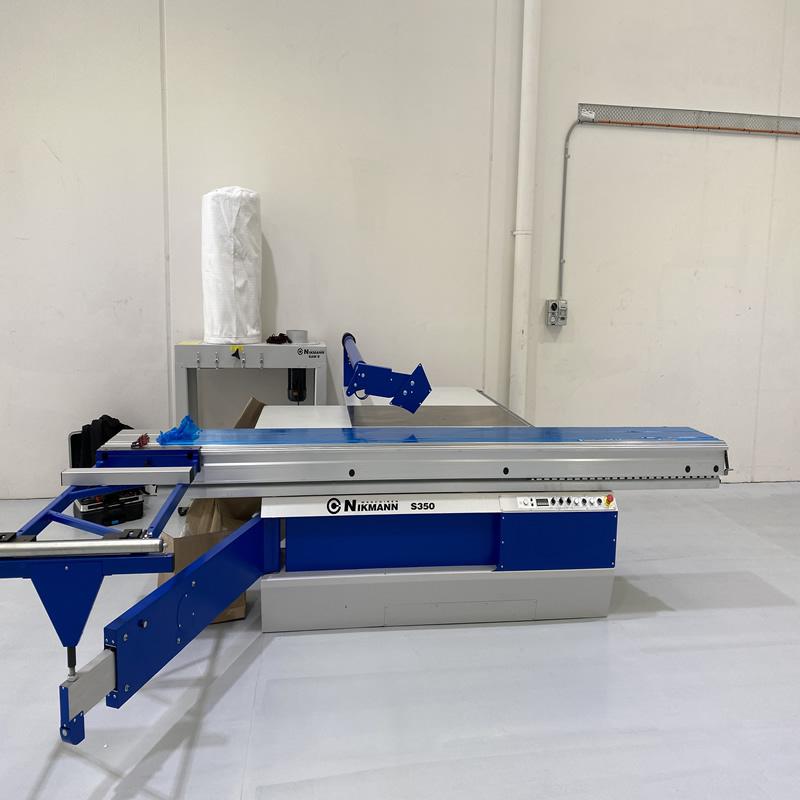
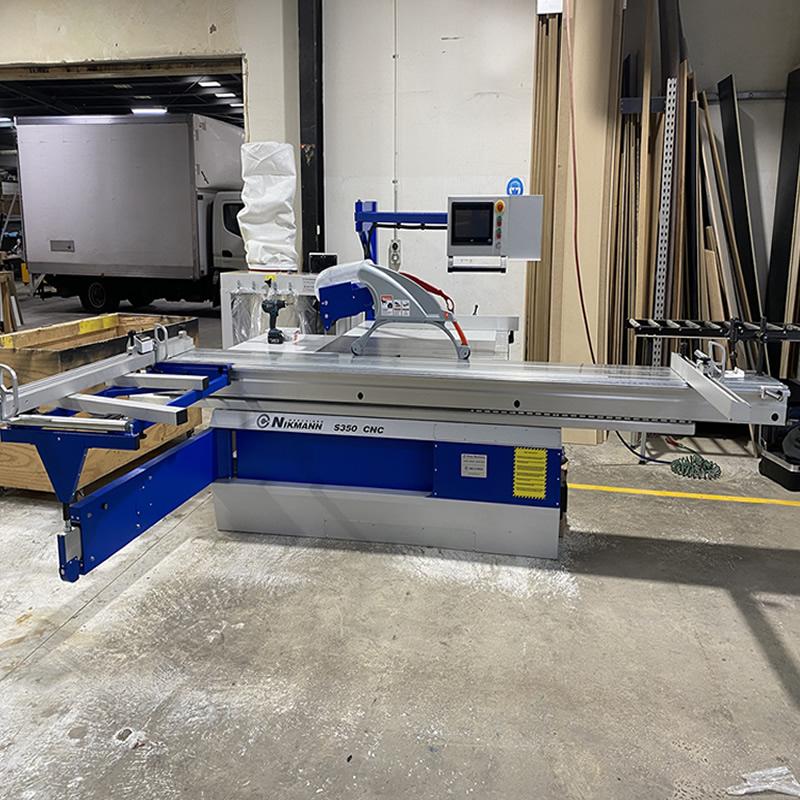
Panel saws are a core component in most woodworking workshops. These machines are used to cut large sheets of MDF, particleboard, plywood, or melamine with high accuracy. During installation, several factors must be considered, including floor leveling, dust extraction, and power supply. The saw table must be perfectly flat, and alignment of the main and scoring blades must be precise to prevent chipping, especially on delicate laminate surfaces. After setup, blade height, angle adjustments, and digital readouts (if included) are calibrated for smooth operation. An accurate installation ensures repeatable cuts, minimal waste, and increased productivity.
Edgebanders: Precision Setup Matters
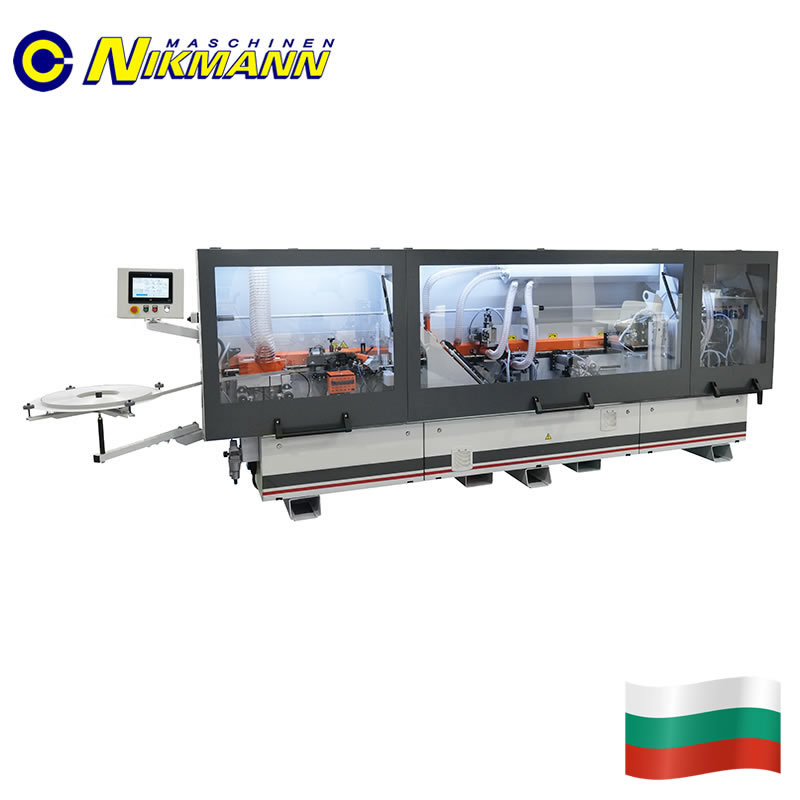
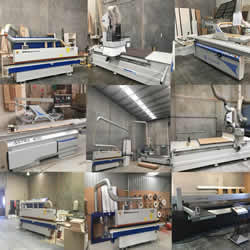
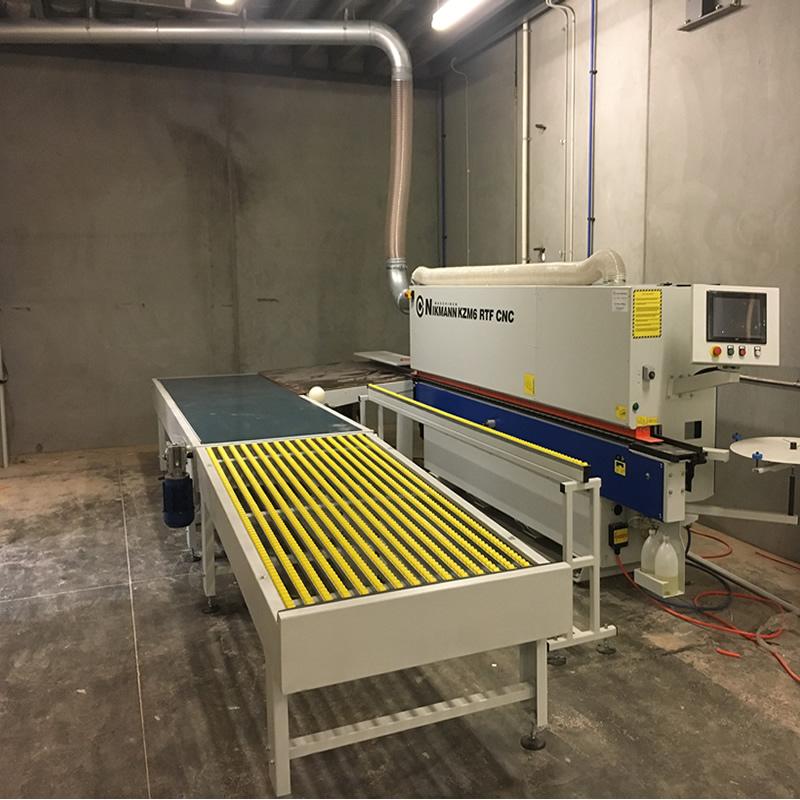
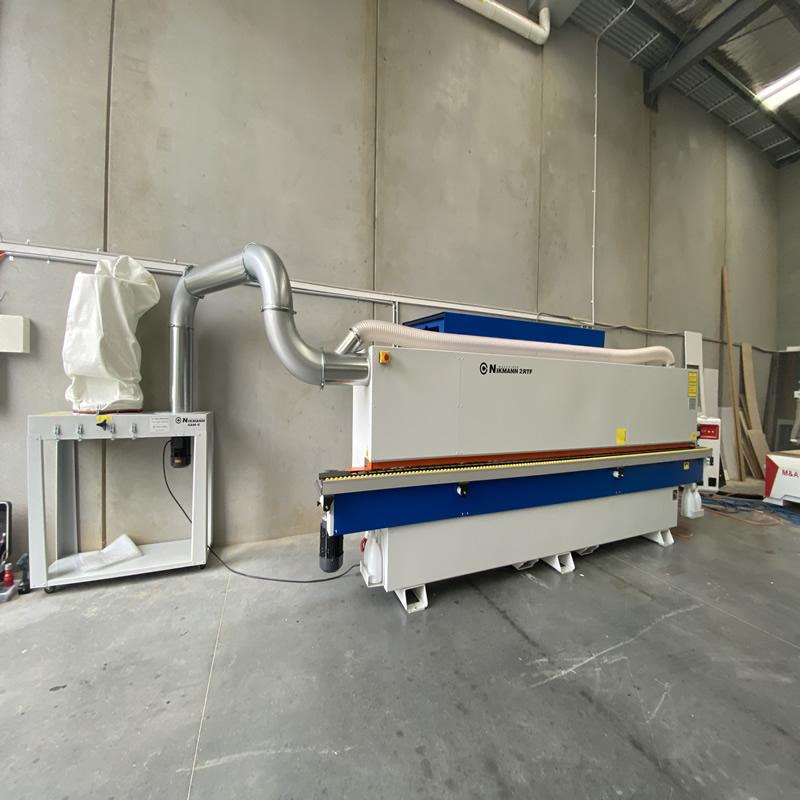
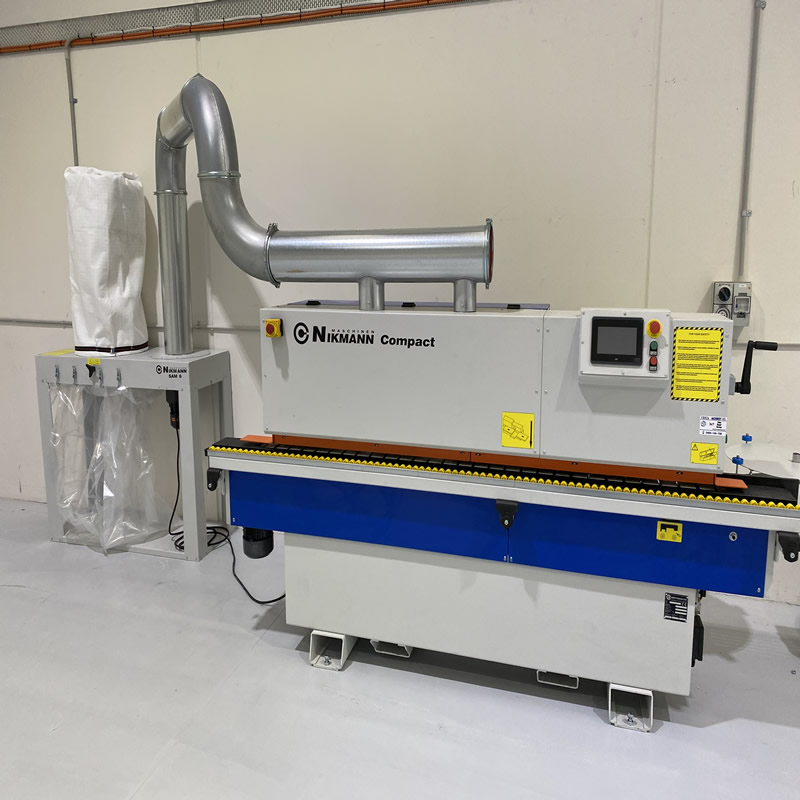
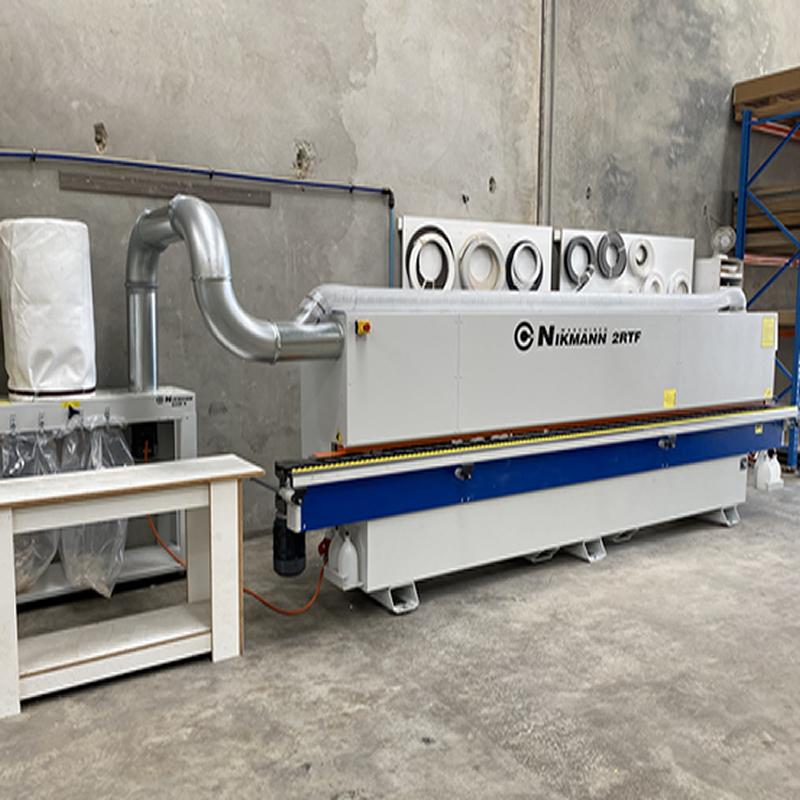
Installing an edgebander requires even more attention to detail. These machines apply edge tape to panels, often including pre-milling, gluing, trimming, scraping, and buffing stages. Because of the multiple stations involved, each unit must be installed in precise sequence and alignment. Glue pots or PUR adhesive units need proper heating calibration, and pressure rollers must apply consistent force to avoid gaps or glue squeeze-out. Electrical and pneumatic systems must be connected with care, and safety guards properly aligned. Once installed, a thorough testing phase follows where panels are run through the machine to fine-tune the settings and ensure optimal adhesion and edge quality. Poor setup can lead to faulty edges, delamination, and machine wear.
Nesting CNC Machines: Foundation of Digital Woodworking
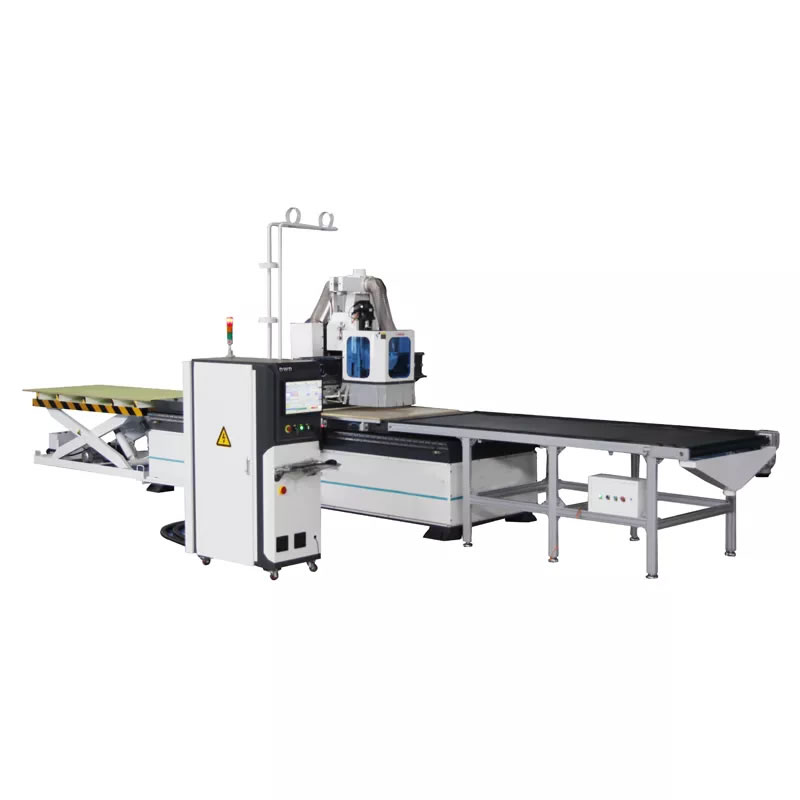
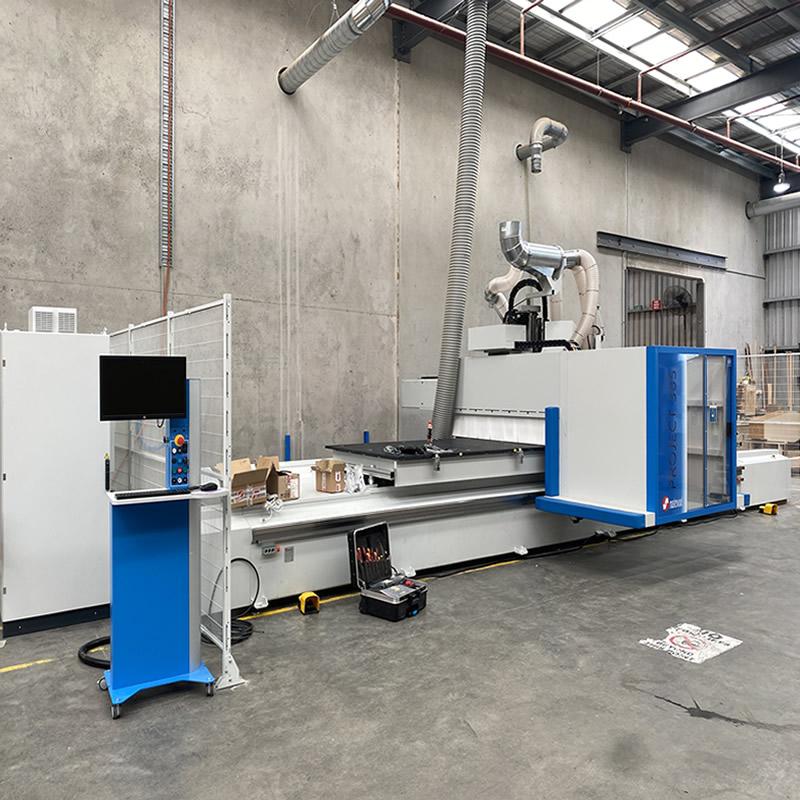
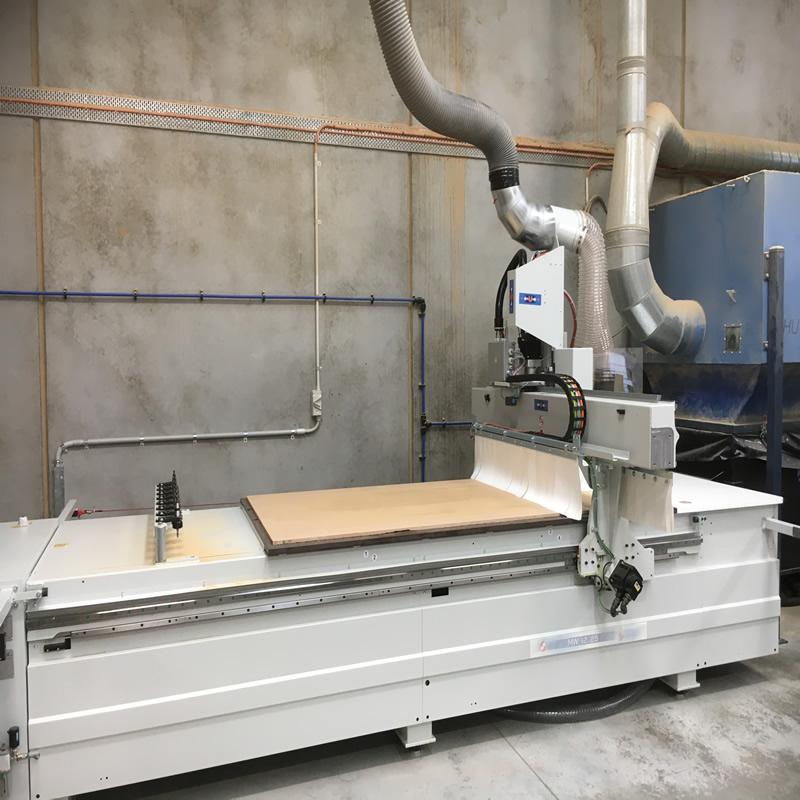
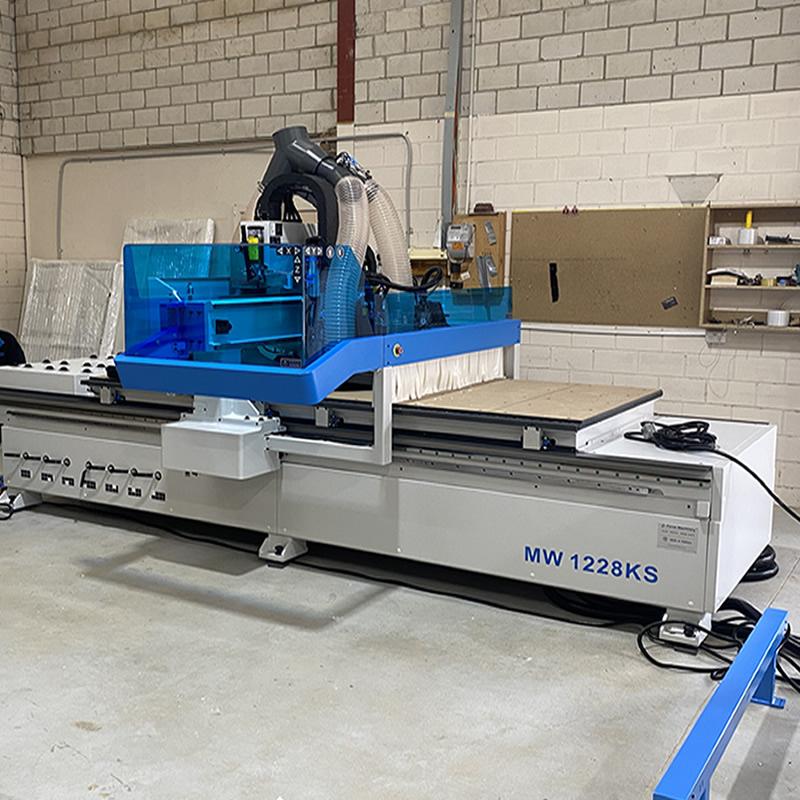
Nesting CNC machines combine routing, drilling, and shaping in a single automated process, ideal for cabinet and furniture production. Installation begins with site preparation – these machines often require reinforced floors due to their size and weight. Precise leveling is critical for cutting accuracy. Once the machine is physically in place, it’s connected to a computer or controller, and software is installed for job programming. Tool changers are calibrated, vacuum tables tested for suction integrity, and cutting heads aligned. Proper installation enables the machine to cut, drill, and label parts in one go, streamlining the production process.
Safety Measures and Tools Required
Safety should be your top priority when installing woodworking machinery.
This includes wearing protective gear and using the right tools.
Here are some safety measures and tools you might need:
- Protective eyewear and gloves;
- Ear protection for noisy machinery;
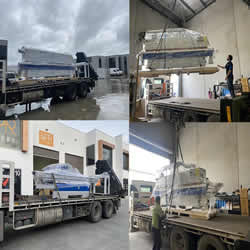
- Proper lifting equipment for heavy machinery;
- Electrical testers for checking power supply.
Remember, safety first. Always follow the manufacturer's safety guidelines.
Preparing for Installation
$130.00 p/h
Before you start the installation, it's crucial to prepare your workspace. This includes allocating adequate space for each machine and considering the flooring.
Here's a simple checklist to help you prepare:
- Read and understand the manufacturer's manual;
- Allocate enough space for each machine;
- Ensure the flooring can support the weight of the machinery;
- Check the electrical requirements of each machine.
With these steps, you can create a safe and efficient environment for your woodworking machinery.
Post-Installation: Maintenance and Troubleshooting
- After installation, regular maintenance is crucial;
- This ensures the longevity and efficiency of your woodworking machinery;
- Troubleshooting common issues promptly can prevent more serious problems down the line;
Price excludes GST, Spare parts and Travel time.